Sleeping Beauty The Musical: A Princess Who Chooses Her Own Fate
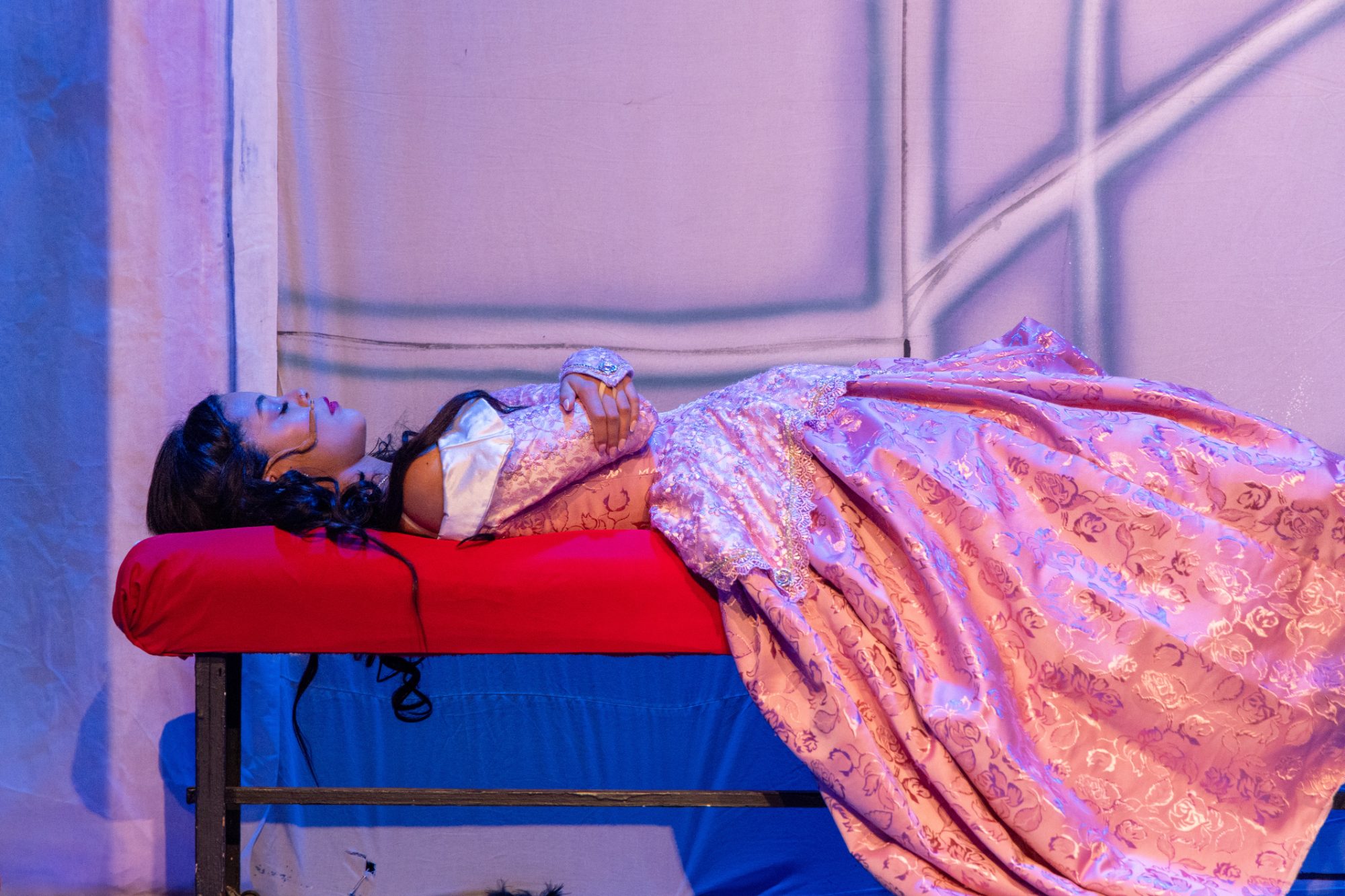
Long before the show began, the foyer had already told me what this story means to children. Small girls drifted past in Sleeping Beauty dresses, some pale blue, some pink, a few swishing their skirts with the serious pride of someone who knows exactly which princess they have come to see. Their parents and grandparents trailed behind them, plainly delighted. The tale of the girl who pricks her finger and sleeps for a hundred years has been told in one form or another for centuries, and on a Joburg morning it can still put a child in her best dress and send her out the door.
That staying power is also the problem for anyone who tries to retell it. We all know this story. We have seen it as a ballet, as a cartoon, as a pantomime, and we arrive with a checklist: the curse, the spindle, the long sleep, the kiss. Change too much and you risk alienating an audience that came for something specific. Sleeping Beauty The Musical, the African premiere of a new adaptation by Ian Curran, walks that tightrope, and I was pleasantly surprised by how steadily it manages it. This is a thoughtful rendition of the age-old fairytale, one that keeps the shape we expect while quietly changing what it asks of its heroine.
A princess with choices
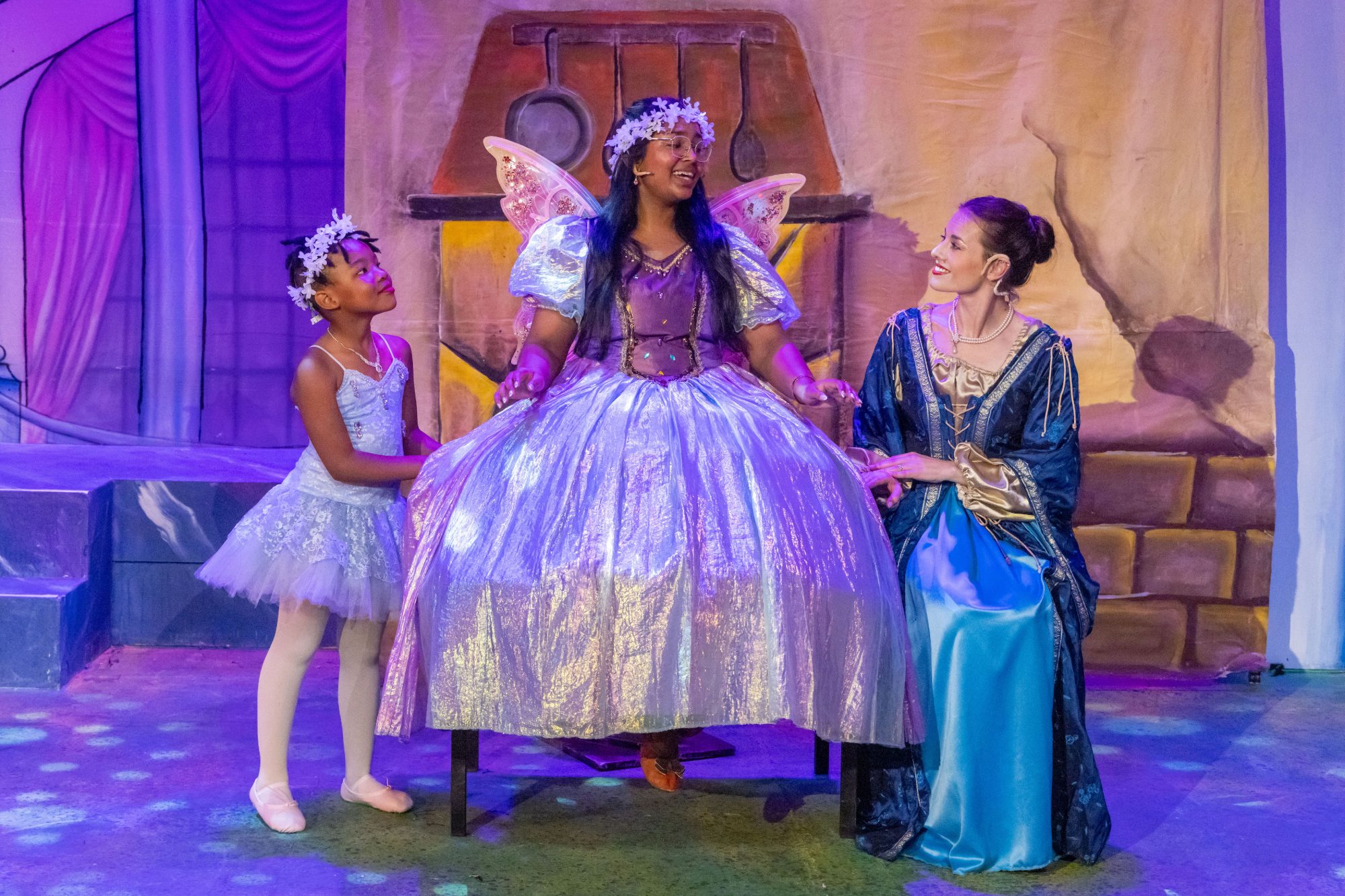
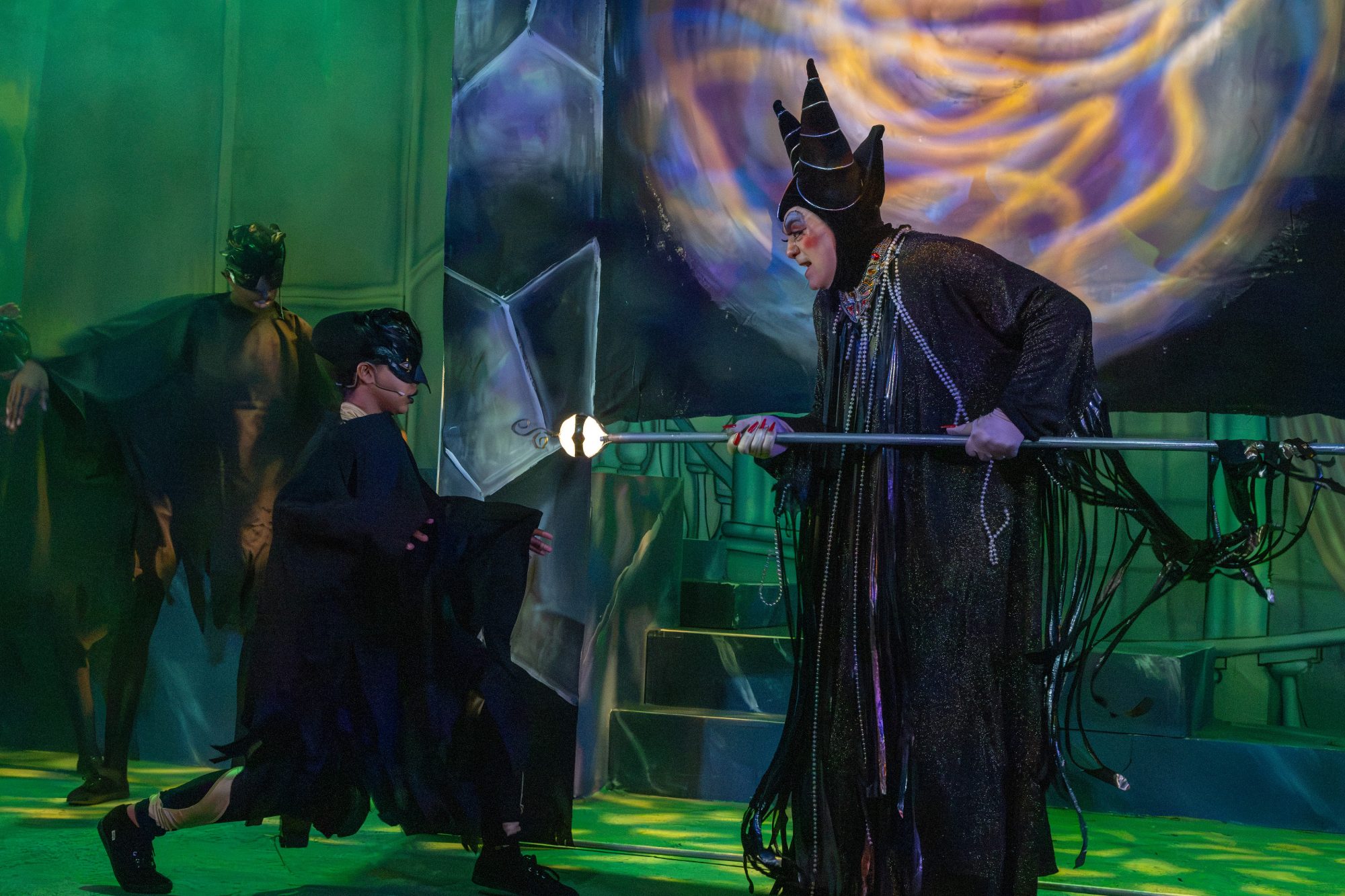
In this version, Princess Aurora is cursed as a child and raised in hiding, unaware of her royal heritage. A chance meeting with Prince Perrault sets an adventure in motion, with the wicked Hellisent hunting her across the Kingdom of Australis and King Henry’s throne hanging in the balance. Magical fairies and raven spies add colour along the way. What interested me most was where the story places its weight. Aurora is no bystander waiting for events to happen to her. She has hopes and dreams of her own, and the question the show keeps returning to is what she will do with them.
Underneath the sparkle, the musical tackles some difficult but important ideas: independence, choosing our own fate, transparency and love. Secrets sit at the heart of Aurora’s situation, and the story is gently insistent that honesty matters, whether between a parent and a child or between two people falling for each other. Love is given room to grow before it is rewarded, so we watch a relationship develop instead of resting everything on a single kiss. These are conversations worth having with children, and the show opens them without lecturing anyone.
The new songs help enormously. With lyrics by Ian Curran and music by Simon Hanson and Peter Vint, the score is entirely original, yet it feels familiar from the first number, in the best sense. The melodies sit comfortably in the tradition of classic animated films and stage musicals, and they fit the story like a glove. They also add a new dimension to it, giving the characters room to say what they feel and letting quieter moments sit beside the livelier company numbers.
Energy, and a few bumps
As with all Peoples Theatre productions, the energy from the cast is immense, and it is what carries the show for the children. This is a longer production than the usual outing for this audience, and the performers never let their commitment drop. The young people in the cast were fantastic and brought smiles to all of our faces. The fairy Willow in particular stole the show, with the kind of performance that has a whole house sitting forward and grinning. There is something moving about a company that has spent 37 years, since 1989, introducing more than a million children to live theatre, and still treats a young audience with this much care.
Where the production struggled a little was in its ambition behind the actors. There are many scene changes, with complex backdrops and props, and on the day I attended they cost the show some of its momentum. Each change broke the rhythm the cast had worked so hard to build, and there were a number of prop mishaps along the way. Children are forgiving audiences, and the story was strong enough to carry us through, but I couldn’t help feeling that a slightly simpler design would have served it better. A fairytale does not need a new world for every scene to feel magical. A single well-chosen image, and a cast with this much energy, can do the work of an entire castle.
These are the sort of technical wrinkles that tend to smooth out as a run settles, and they never threatened what the production does well. They did remind me how much a children’s show depends on pace. Young audiences will follow almost anything while the story is moving, and they drift the moment it stops.
I kept thinking about those little girls in their dresses. Seeing so many of them reminded me that this story really does transcend time. Aurora has been waking up for centuries, and every generation seems to find something new to ask of her. This adaptation asks whether a princess can choose her own fate, whether honesty makes love stronger, and whether the people who raise us owe us the truth. Those questions are worth putting in front of a child, especially one in her best dress.
All in all, this is a really interesting adaptation, and one that works despite some technical glitches. If you have a young fan of princesses, or an adult who once was one, it makes for a warm and thoughtful way to spend an afternoon.